 Omer Saadet


Two-thirds of UK organisations are now running AI. Fewer than one in four have moved it into anything that materially changes how the business operates.
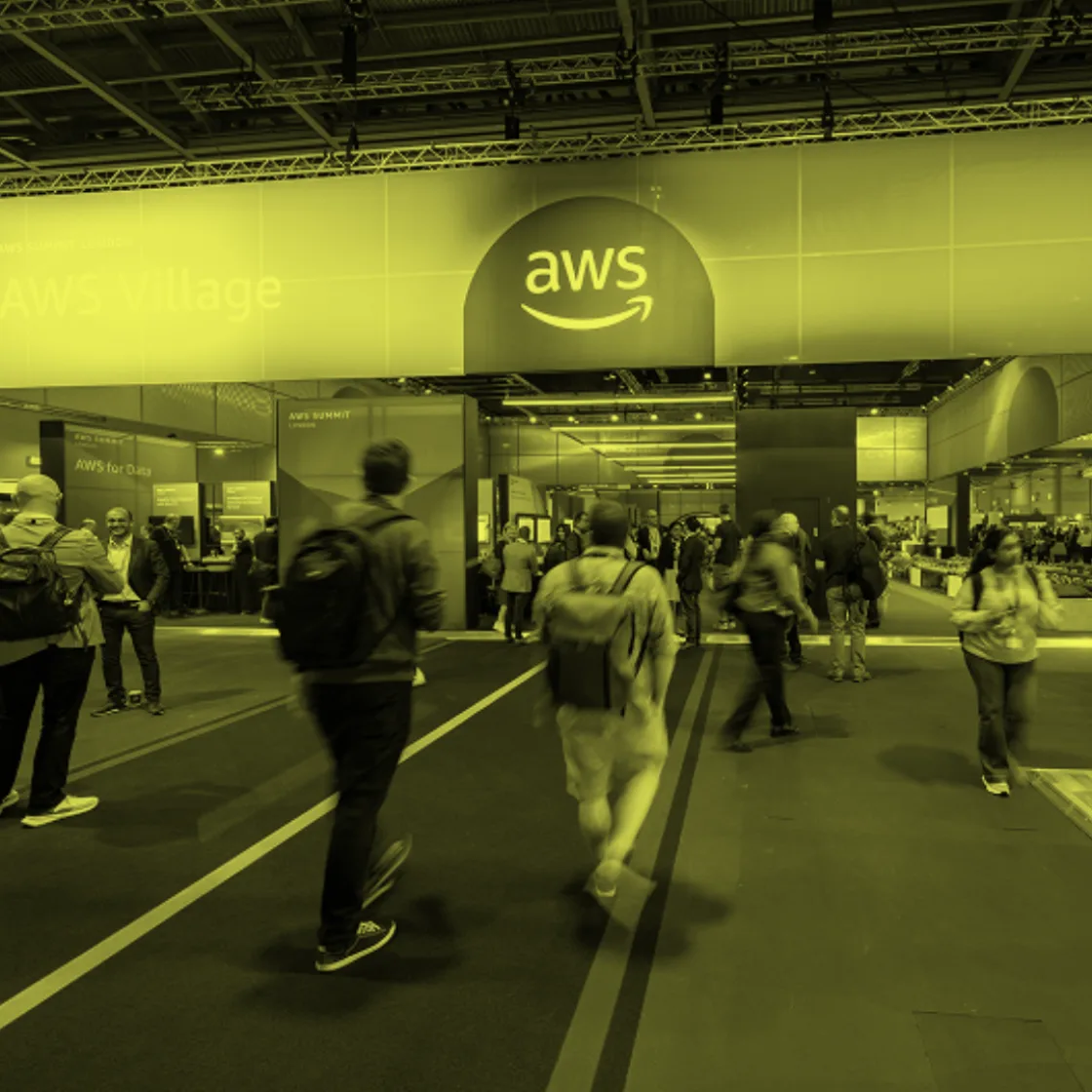
I attended the AWS Summit London last week, where it became clear that the gap between adoption and measurable impact is still being felt across many UK enterprises. It’s also the same question I hear frequently from the technology leaders we work with every day: we’ve made the investment, we’ve set the mandate - so why isn’t it translating into impact at scale?
The answer, almost every time, is people. Here's why.
Below is my read on the themes that stood out most from the Summit, and how they connect to what we’re seeing across enterprise transformation and evolving skills demand. I also spoke with members of the team to add depth to this perspective; practice leads who are deeply embedded in niche communities and partnerships.
Why Are So Many AI Programmes Stalling Before They Reach Production?
An AWS-commissioned report released during the Summit confirmed what we've been seeing in live hiring projects for months: 64% of UK organisations now use AI, but only 24% have embedded it into core operations and decision-making. The rest are running pilots that have not made it to production. Closing that gap is estimated to unlock £35 billion in additional economic value for the UK by 2030. (Read the full AWS report here)
The framing from the Summit floor was direct: 2025 was about experimenting, 2026 is about making it work. The organisations still in pilot mode are not failing on technology – they’re failing on the team structures, data foundations and the capabilities needed to take AI from a controlled environment into day-to-day operations.

The trends in our industry reflect this - demand has shifted away from AI experimentation roles and toward the engineers and programme leaders who can move things from proof-of-concept into production. What clients want now are people who can see where delivery slows down and fix it, across teams, systems and processes. That is a different profile, a thinner talent pool and a faster-moving market than most hiring managers are planning for.
Jack Richardson, Practice Lead at Empiric, shared his perspective on this: “There is continual demand for niche expertise across cloud, data and AI platforms, organisations need teams or individuals who can navigate and modernise complex estates, while also driving efficiency and demonstrating ROI from AI initiatives. Alongside that, there’s growing demand for product-oriented technical consultants who can work across teams, reduce friction in delivery, and translate business needs into tangible data and AI solutions."
Is the Data Problem Slowing Down Your AI Ambitions?
One message from the Summit aligned directly with what we hear from clients: most AI programmes are not failing at the AI layer. They are failing upstream, in the data.
Fragmented data estates, inconsistent pipelines and ungoverned data products mean that AI outputs reflect those problems at scale. The blunt version, said more than once across sessions: fix your data or your AI will not scale.
For hiring managers, this has a direct resourcing implication that is not always obvious at the outset of a programme. The demand right now is not for generalist data analysts. It is for data engineers who can design and build governed, production-ready infrastructure that AI systems can act on in real time. Those are scarcer, command higher rates and are being secured faster than the broader data engineering market.
We're seeing a clear shift in how clients are thinking about these hires. Data Engineers who can sit close to the business - partnering across finance, HR, operations and commercial functions - are in far more demand than those working in isolation. Briefs have moved away from technical job specs and toward outcome definitions: what value will this person deliver, and by when? There is a strong premium on people who understand both the tech and the industry context and can get moving quickly without a long ramp-up. We are also having more conversations with clients about the architecture decisions sitting underneath their hiring plans - whether they have the right foundations before they start building a team around a system that is not yet production-ready. Getting that sequencing right matters.
Agents Are Already in Workflows - Are the Teams Around Them Keeping Pace?
Agentic AI moved from concept to live deployment faster than most programmes anticipated. At the Summit, conversations were not about whether to deploy agents but about governance, oversight and what happens when an autonomous system makes a decision that needs human review in a regulated environment.
Gartner expects AI agents to be embedded in over 40% of enterprise applications by the end of this year. (Source) The engineers and technical programme managers who can govern and iterate on agentic systems in production are a meaningfully different profile from those who built the pilots and the market has not caught up with that distinction yet. We regularly see clients bring briefs scoped for a pilot-phase skill set when the programme has already moved past that point
“The fastest movers aren’t always the big tech firms. We are seeing a lot of innovation being driven by organisations focused on solving a problem specific to them, where they can be more agile in building a solution for their own environment rather than relying on off-the-shelf.
Agents have already moved into live workflows. In finance functions, we’ve seen gains made through automating order-to-cash and improving cash flow. In commercial teams, RFP work is being centralised and accelerated. In infrastructure and energy, geospatial forecasting is continuing to reshape planning. The pattern is the same: work that was slow and fragmented is becoming reliable at scale. The difference between success and failure now comes down to ownership once these systems hit production.” - Jack Richardson, Practice Lead, Empiric.
With 49% of Organisations Saying Skills Are Their Biggest Barrier, What Does a Workable Team Model Look Like?
Research published at the Summit finds that almost half of UK organisations now say a shortage of AI and digital skills is the single biggest constraint on scaling. (Read more) That figure has moved up as adoption has widened - more organisations chasing the same profiles without a proportionate increase in supply.
The model that came up repeatedly - and that we see working in practice - is one where permanent employees own governance, product decisions and long-term system stewardship, while contract and nearshore augmentation cover implementation phases, infrastructure builds and deployment windows.
It mirrors what we have written about in our adjacent nCino and ERP blogs - It is becoming the default for complex programmes where you cannot wait twelve months for a permanent hire to get up to speed.

Will Abbott, Practice Lead - UK Contract Key Accounts at Empiric, explains: “In the UK data and AI contract market, we’re seeing a clear shift toward outcome-based delivery using niche expertise. Permanent teams are focused on governance, product ownership and long-term system stewardship, while contract and nearshore teams are brought in to deliver build and deployment work, often as a way to balance speed, scale and cost. This model is fast becoming the default for complex programmes where specialist capability is needed on demand.”
The businesses moving fastest on AI in 2026 are not the ones with the biggest budgets. They are the ones that got their talent model right early - securing specialist contractors for delivery, locking in data engineering capability before the programme launched and building permanent ownership around the roles that will run these systems for the next three to five years.
Planning Your Cloud AI Team for the Second Half of 2026?
The market for cloud AI, data engineering and agentic systems talent is tighter and moving faster than most hiring timelines account for. The organisations securing the best people are having those conversations now, not when a project goes live.
The Empiric Data & AI team are working across live hiring projects in this space. Whether you’re a hiring manager building cloud AI capability or a technology professional looking at where the market is heading, learn more about our cloud disciplines, view our latest roles and book a callback with the team here.